Bologna got its first street numbers in 1794 and its first street signs in 1801. Only a few of the street signs survive, but there are many of the 18th century building numbers. This post gives the historic background and shows you what to look for.
Bologna’s Dinosaurs
Bologna University has numerous museums. One that has long been a favourite with local children is the Geological and Paleontological Museum, as it has a number of dinosaur skeletons. The nucleus of the museum dates back to the 16th century when Ulisse Aldrovandi, a professor of natural history, amassed what was at the time the... Continue Reading →
Villa Mazzacorati – a Baroque Theatre and Toy Soldiers
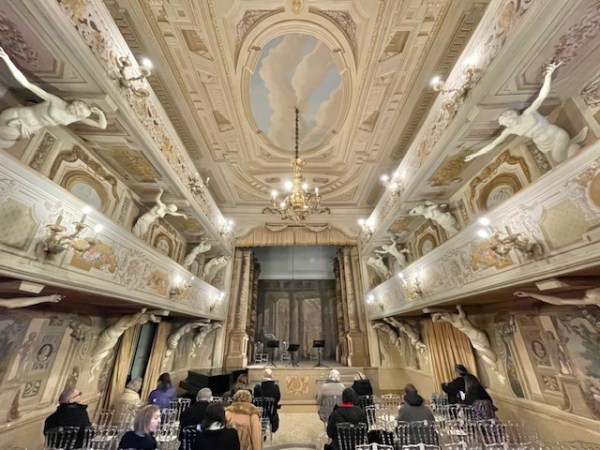
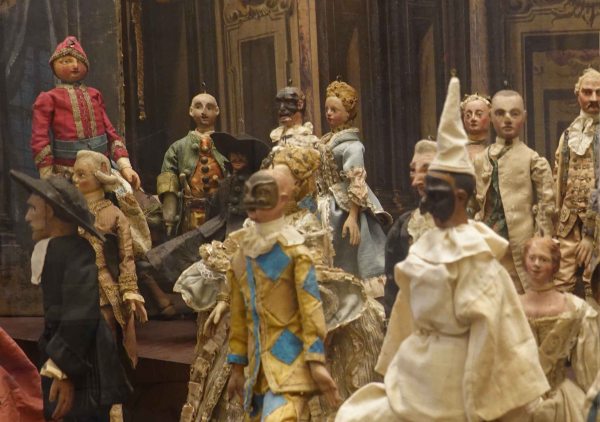
A little under four kilometres ( two and a half miles) from the centre of Bologna is the 17th century neo-classical Villa Aldrovandi Mazzacorati. It’s home to both a pristine 18th century private theatre and a tor soldier museum.
Art Nouveau in Bologna
Along with most European cities, Bologna has interesting examples of Art Nouveau architecture from the early 20th century. In this post, I point out out some of the best known locations that you can keep an eye out for during your visit.
Bologna’s Wrought Iron
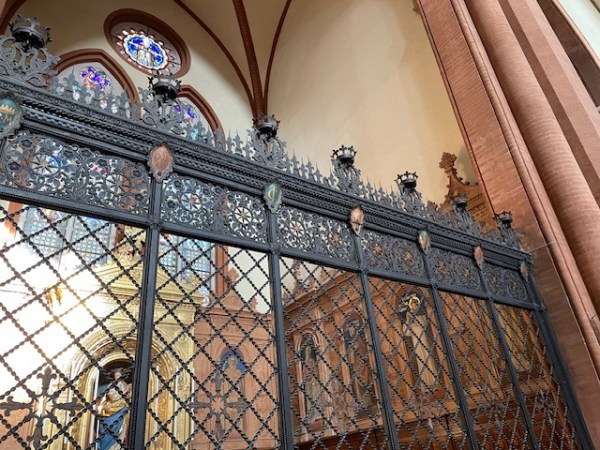
Walking around Bologna, you’ll come across many examples of artful wrought iron, from the medieval period through to Art Nouveau. It’s yet another layer of interest to add to your Bologna visit.
Bologna’s Davia Bargellini Museum
Bologna's Davia Bargellini Museum houses an interesting painting collection as well as a fascinating array of applied arts objects, including an intact detailed 18th century doll's house. Entry is free.
Visiting Saint Catherine of Bologna
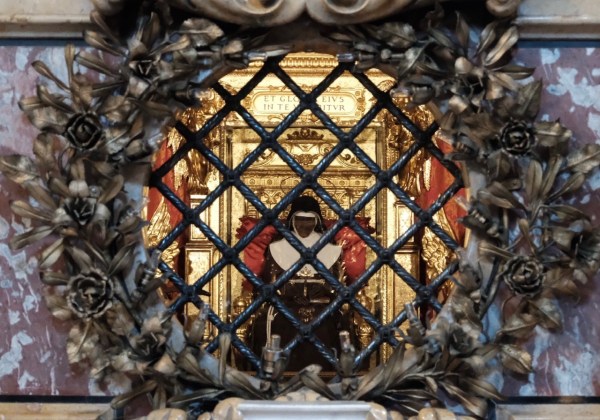
Saint Catherine of Bologna died almost 600 years ago, but her intact body can be visited along with objects from her life in the church of Corpus Domini. She was a mystic, artist, musician, author and abbotess of the monastery of Poor Clares.
The Bell Tower of San Pietro, Bologna
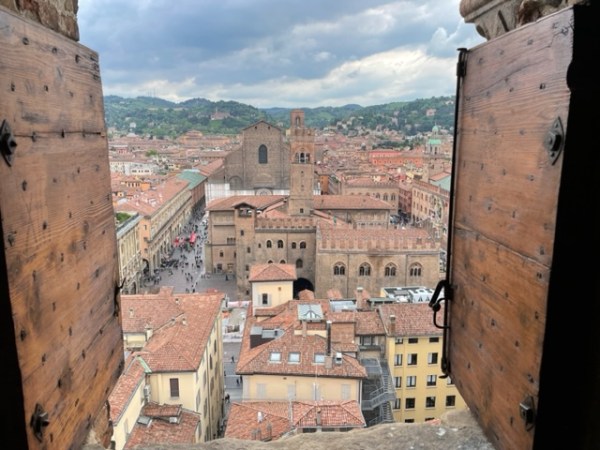
Bologna’s cathedral, San Pietro, can be found in Via d’Indipendenza. A climb up inside the 1,000 year old bell tower gives you a wonderful view of the city and an opportunity to see the massive bells. Look for the sign out the front on weekends.
Bologna’s Hidden Garden – the Orto Botanico
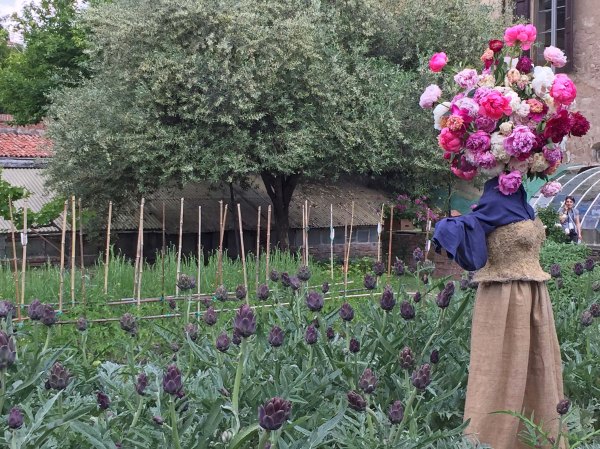
he Orto Botanico is a quiet corner of Bologna where you can go to enjoy the greenery or perhaps get away from the growing tourist crowds for a picnic.
Bologna’s Public Statues
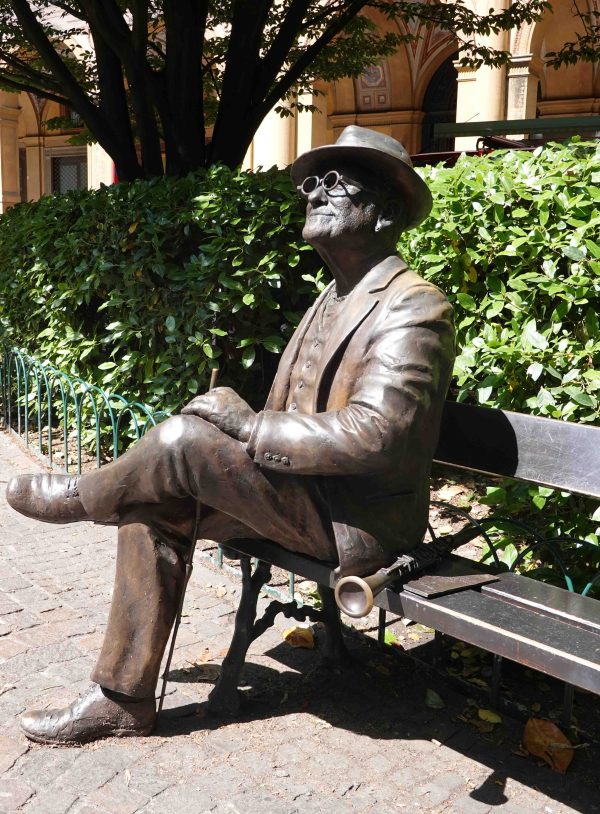
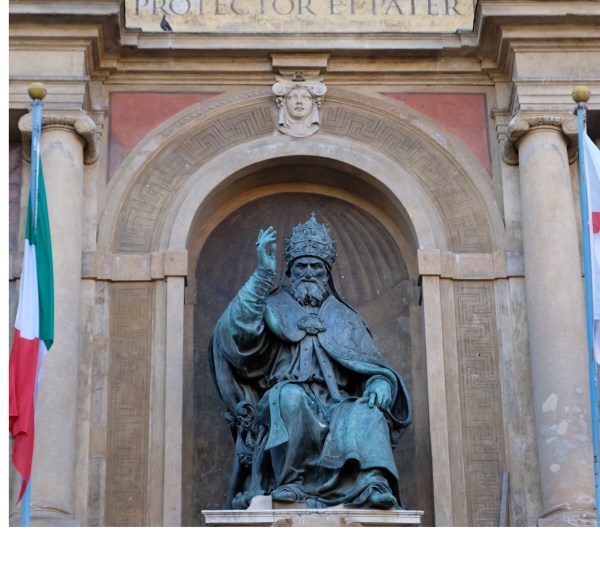
I wonder what a city's statues can tell us about its history and culture? In this post I look at a selection of Bologna's statues from ancient times to today.
Rossini and Bologna
By the time he was in his late twenties, Gioacchino Rossini had left the poverty of his early life behind and had become one of the most famous and wealthiest composers in Europe. By the age of 39, he had almost ceased composing and had largely withdrawn from the world. My post looks at locations in Bologna redolent with his memory.
Bologna’s Medieval Elevated Tombs
A visitor to Bologna is likely to come across one or both of two groups of curious elevated tombs while wandering around the city. Who do they commemorate and why were they accorded such prominent recognition ? The answer lies with the origins of the University and importance and wealth of its law professors.
Montagnola – Bologna’s Oldest Park
Little visited by tourists, Mogntagnola park is Bologna's oldest, It's home to some attractive 19th century sculptures and 200 year old plane trees.
Curiosities of Bologna’s Piazza Maggiore
Piazza Maggiore, the beating heart of Bologna, has numerous interesting features not often noticed by visitors. I point them out is this post to add to the depth of your visit.
Bologna “La Rossa”
One of Bologna's nicknames is "Bologna la Rossa" or "Bologna the Red". Red is the characteristic colour of a city built of brick with terracotta used for roofing as well as rich architectural detailing and art works.
Bologna’s Porticos
Bologna boasts Italy's longest set of porticos with some 90 kilometres of covered walkways.
Secret Gardens of Bologna
Ever wondered what's behind the high walls of Italian cities? Come and see some of Bologna's hidden gardens behind those high walls.
Bologna’s Doorknockers
Wandering around the porticos of Bologna, you'll encounter a huge range of interesting door knockers, adding interest to your rambles.
Bologna’s Antiques Market
A visit to Bologna's antiques market is a must if you're lucky enough to be in town on a weekend when it's held.
A Walk along Bologna’s Navile
Discover Bologna's canal in a pleasant walk that includes a museum and an out of the way Trattoria.